The Dark Reality of YouTube Promotion (2027)
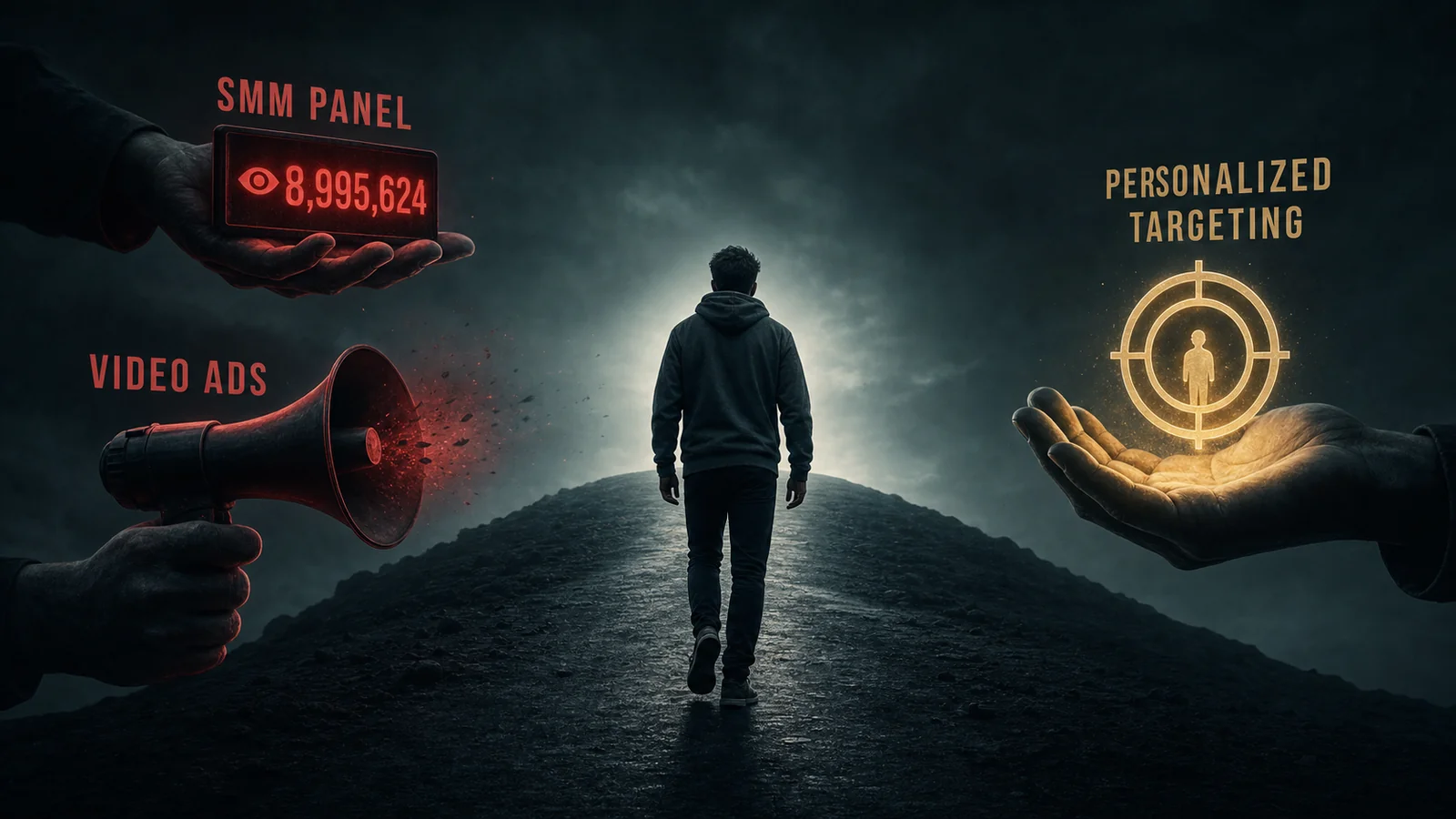
It’s 2019. My phone keeps ringing. A music director from one of India’s music companies, and he’s angry.
“What the hell is this? Half the views are gone. You said these were real.”
He’d paid me to promote two of his music videos. I bought 500k views for them. And YouTube had just wiped half.
I’ll tell you how that call ended in a minute. First, give me 10 minutes and read this to the end, because by the end you’ll be out of the trap that 99% of people buying YouTube promotion fall into. The same trap that put me on that call.
People ask me the same thing. Does YouTube promotion actually work? My honest answer is, it depends which of the three types you choose. I’m not here to tell you promotion is great or trash. I’m just here to show you how this market works from the inside, because I’ve lived in it. I entered as a blank paper, I got scammed, I sold the fake stuff myself (in my best months, $70k to $80k), and I paid money back from my own pocket. It’s all in this blog.
(And stay to the end. I’m running an experiment on this market for the next blog, and I’ll tell you about it there.)
What YouTube promotion actually is
No fluff. YouTube promotion means paying to put your thing in front of people on YouTube. Two situations:
- You’re a creator. You promote videos already on your channel.
- You don’t have a channel. You promote your website, a video file (an MP4), or any outside link.
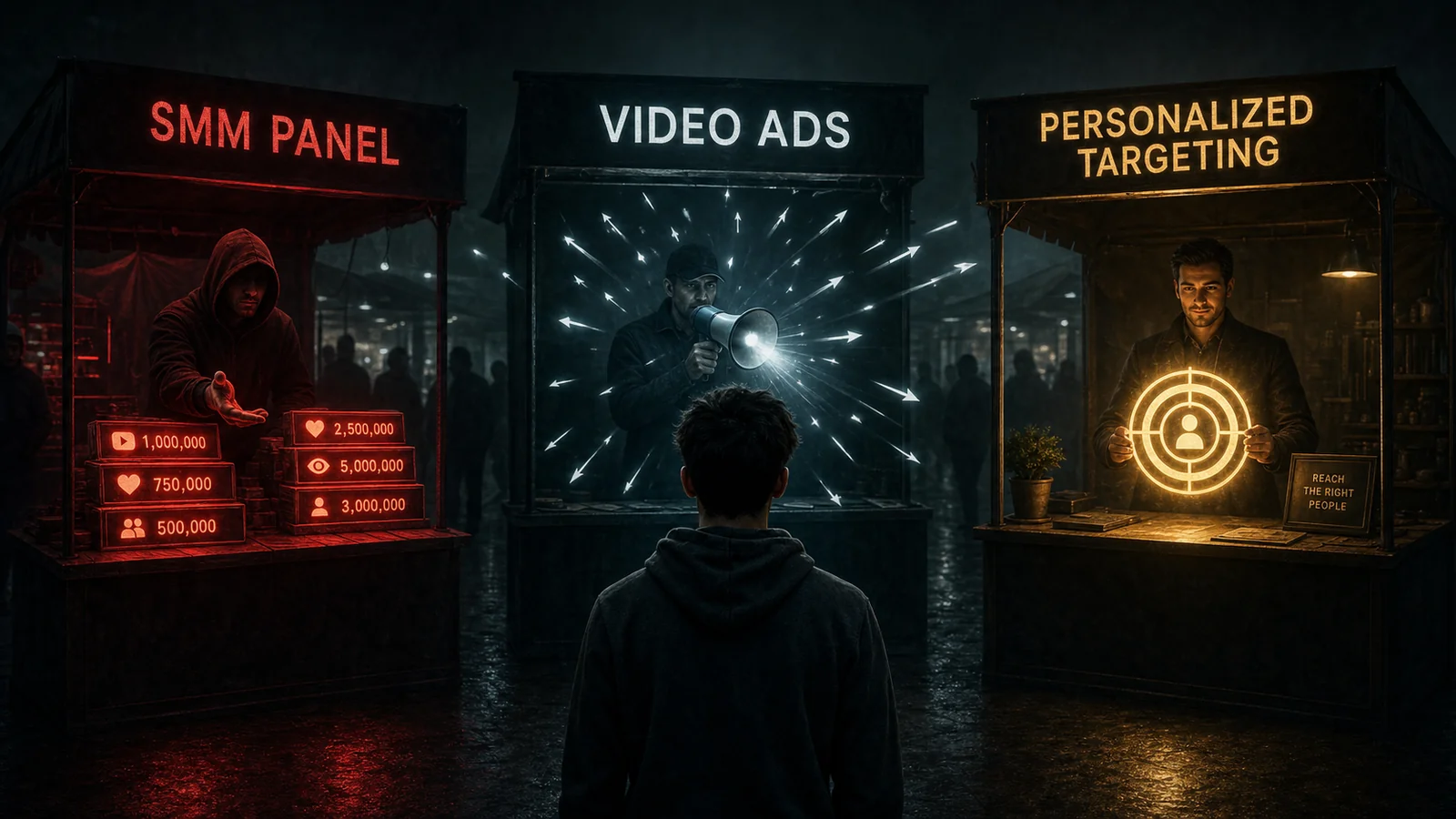
That’s the whole definition. The dark part is where the “promotion” comes from when you pay for it. Today, the market sells it in three very different ways.
The three types at a glance
| SMM panels | Video ads | Personalized targeted campaigns | |
|---|---|---|---|
| What you’re really buying | Numbers | Real viewers, but random ones | Real viewers who want your content |
| Is the traffic real? | No, bots and farms | Yes, but the wrong people | Yes, your kind of people |
| What your channel gets | Numbers that quietly hurt you | Numbers, almost no growth | People who stay and subscribe |
| The honest con | Scams, and your channel pays for it | Money goes fast, shallow numbers | Your video still has to be good |
| Price feel | Too cheap to be true | Real money, wrong people | Real money, right people |
Now let me walk you through each one. The first is where most of the market is stuck right now. Maybe you too.
Type 1: SMM panels
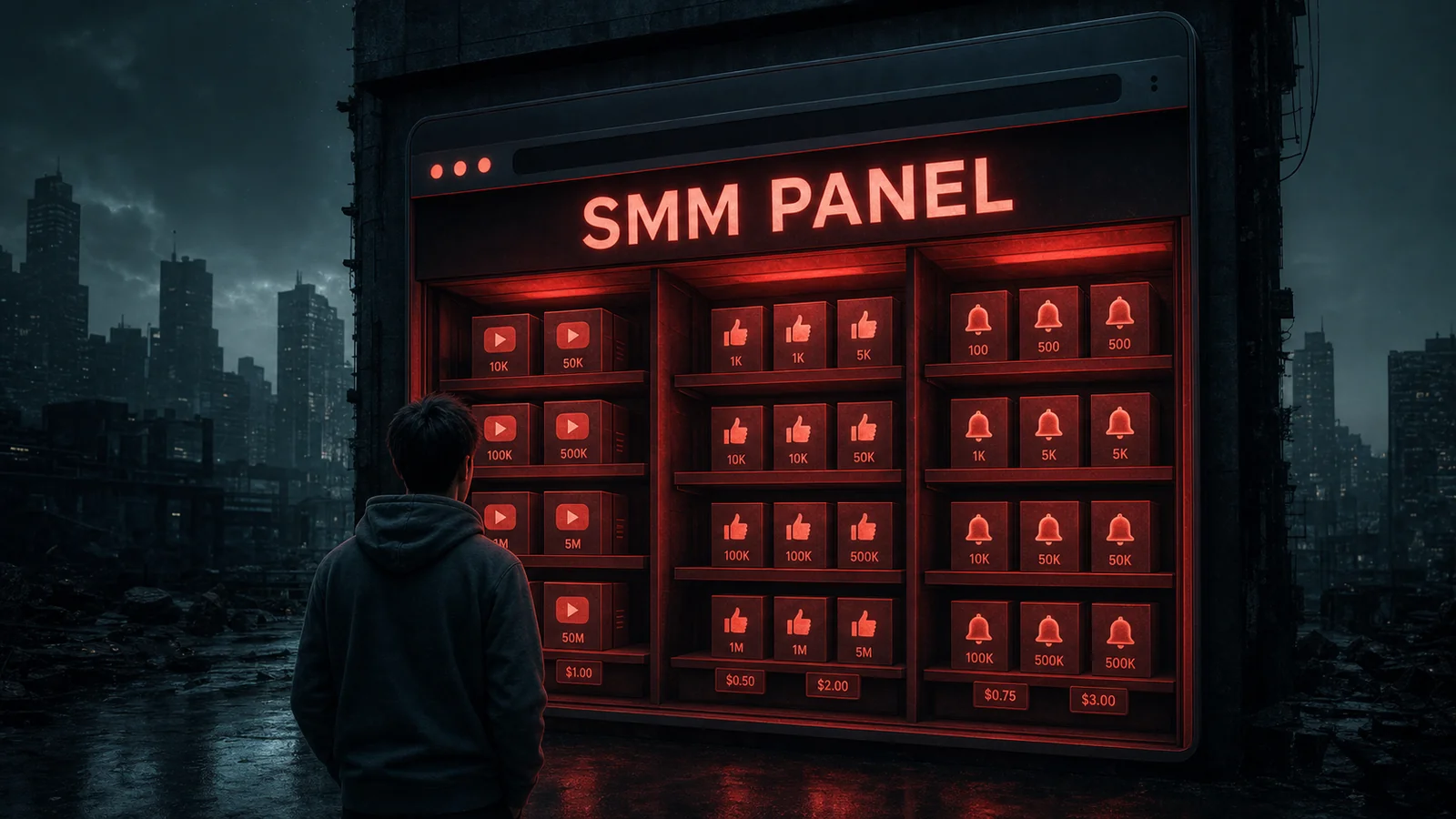
An SMM panel (social media marketing panel) is a website that sells engagement. Views, likes, comments, subscribers. They cover every platform (Instagram, everything), but we’ll stick to YouTube.
From my years inside, I’d say 90% of this market runs on these panels. Creators. Resellers. Even big agencies and channels you’d definitely recognize (I’ve seen it up close, and no, I won’t name anyone).
Here’s the dark reality. This isn’t promotion at all, because nobody ever sees your video. Let me show you what you’re actually buying.
Bot farms
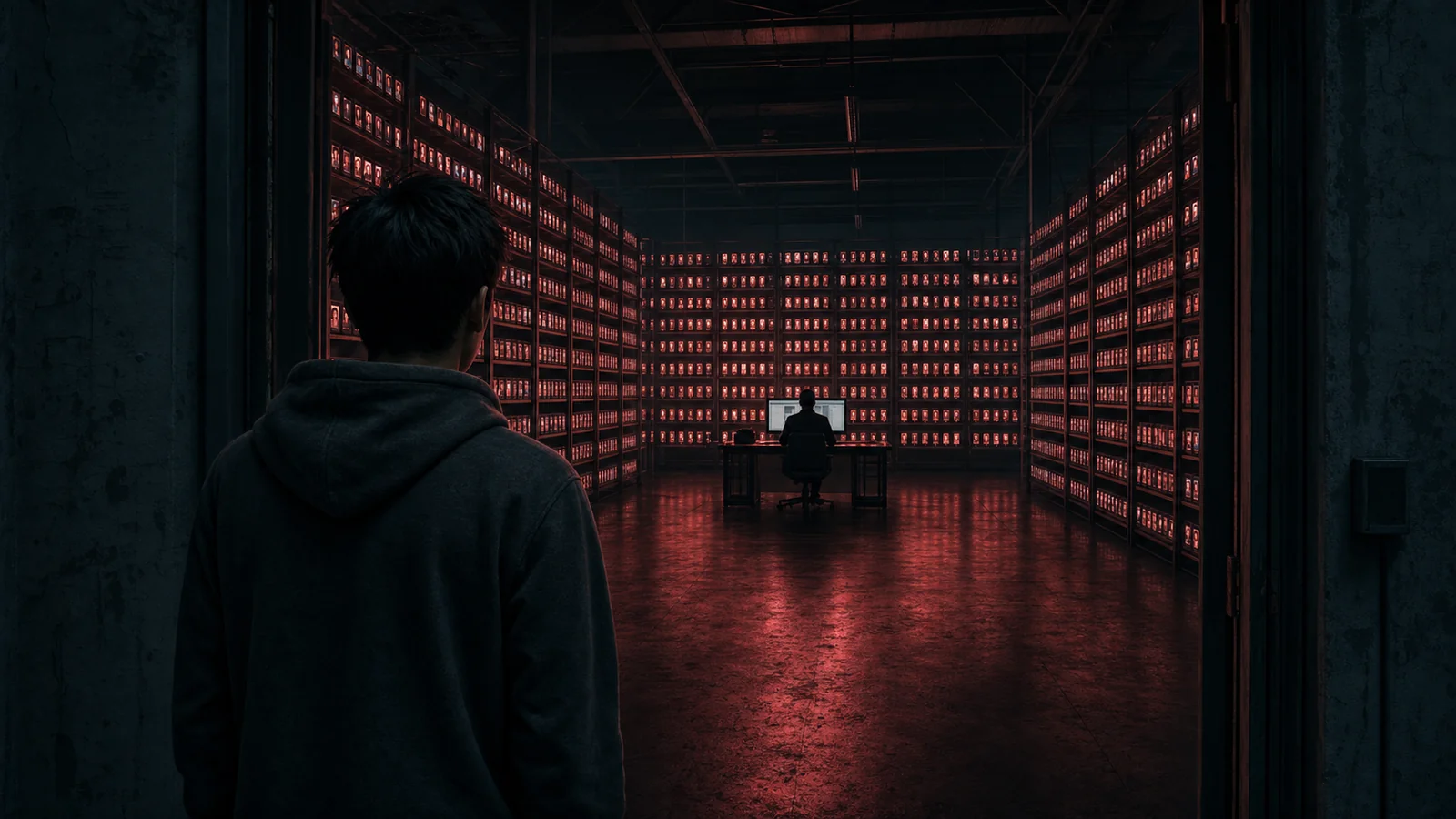
A bot is a fake account run by a machine. Now picture a thousand of them. A thousand YouTube accounts, created by one system, controlled by one system, all pretending to be people.
To make them look real, sellers use proxies. What’s a proxy? In one line, it fakes the location. The account sits on a server in one country and looks like a real device in another. Add profile photos, some activity, a bit of makeup, and every fake account looks like a real person in a different city. Others run mobile farms. Rooms with a thousand, two thousand phones, and every phone holds multiple accounts. All of it has one job. Act like real humans, and sell it as views and subscribers.
And YouTube fights back. It keeps getting stricter, the farms keep finding new tricks, and this war never ends. Remember it, because this war decides what happens to your money next.
Why is it so cheap? Because the seller built the farm once, and now every order costs them almost nothing. So here’s a rule to keep for life.
If the price looks too good to be real, the traffic isn’t real.
And this is a big market. Some sellers pull in $50k a month or more. I know because I was one of them. And between the seller and you, there’s a long chain. Seller, reseller, reseller of the reseller. Most buyers have no idea who they’re actually buying from. And that gap is exactly where the scams happen.
The three kinds of sellers
1. The fake sellers. They pretend to have the best service, show you a very good price, maybe even a demo. You pay. They disappear. Then they open a new account and do it again. From my own experience, about half the sellers in this world are running some kind of scam. Half the market is dead.
2. The soft scammers. These ones actually deliver, and that’s the trick. Everything looks fine until YouTube drops an update (and believe me, every month there’s a big one). From what I’ve watched over the years, YouTube checks new views for about the first 7 days. If the views pass, they stick forever. If they don’t, they get wiped. And subscribers? That audit basically never stops. So when an update lands, whole panel systems go offline overnight, views vanish from thousands of videos, and the sellers suddenly owe refunds they can’t pay. So they vanish too. (Where did all that money go? Maybe infrastructure. Maybe cars. I’m just joking.)
3. The trusted sellers. These are the direct providers, the ones who own the farms and sell their own service. Buying from them is like buying vegetables straight from the farmer. When an update hits, they don’t vanish. They refund you, or resend the traffic once they’ve patched their system. That’s why, over the long run, they’re the ones the market calls trusted. But very few buyers ever reach them, because the reseller chain is too thick. And don’t expect care, because nobody in this market gives real support. When the services work, everyone’s friendly. When you actually need help, they’re gone. They care about the money, not your channel.
Back to that phone call
Now you know all three kinds. So let me tell you which one I met, and what it cost me.
Around 2019, that music director reached me himself. He wanted his two music videos promoted, and I took the job. I was new, I didn’t know fake from real, and the panel said “real views,” so I believed it. I ordered the 500k.
Then YouTube pushed an update. Half the views got wiped. And my phone started ringing. That part you know. Here’s the part you don’t. I went to my seller, and his replies got very slow. Turns out my “provider” was just another reseller. He was passing my complaint up the chain to someone neither of us knew. “I’ve transferred your request to my provider. Please wait.”
I waited 15, 20 days. They resent the traffic. YouTube wiped that too. Then the seller just stopped responding.
And I was scared. Really scared. These were big people, directors. When traffic vanishes under your name like that, you’re in real trouble.
So I refunded the director from my own pocket. That’s how the call ended. And it didn’t happen once. It happened again and again, until I finally learned my lesson.
The hidden damage

Now maybe you’re thinking, fine, I’ll just buy from a trusted seller then. So does buying YouTube views hurt your channel, even from a trusted one? My answer comes from trying this on hundreds of channels, including my own. Even when the views stick, this traffic quietly kills your channel.
YouTube doesn’t care about your numbers. It cares about the behavior of whoever lands on your video. Say you run a cooking channel in French (keep this channel in mind, we’re taking it through all three types). Now think about a farm account. Today it watches a US music video, then a Russian construction video, then Chinese vlogs, then your cooking video. Thousands of videos, every language, no pattern. No real person watches like that. And do you think YouTube doesn’t notice? It’s a very advanced company with a huge team behind it. Nobody fools YouTube for long.
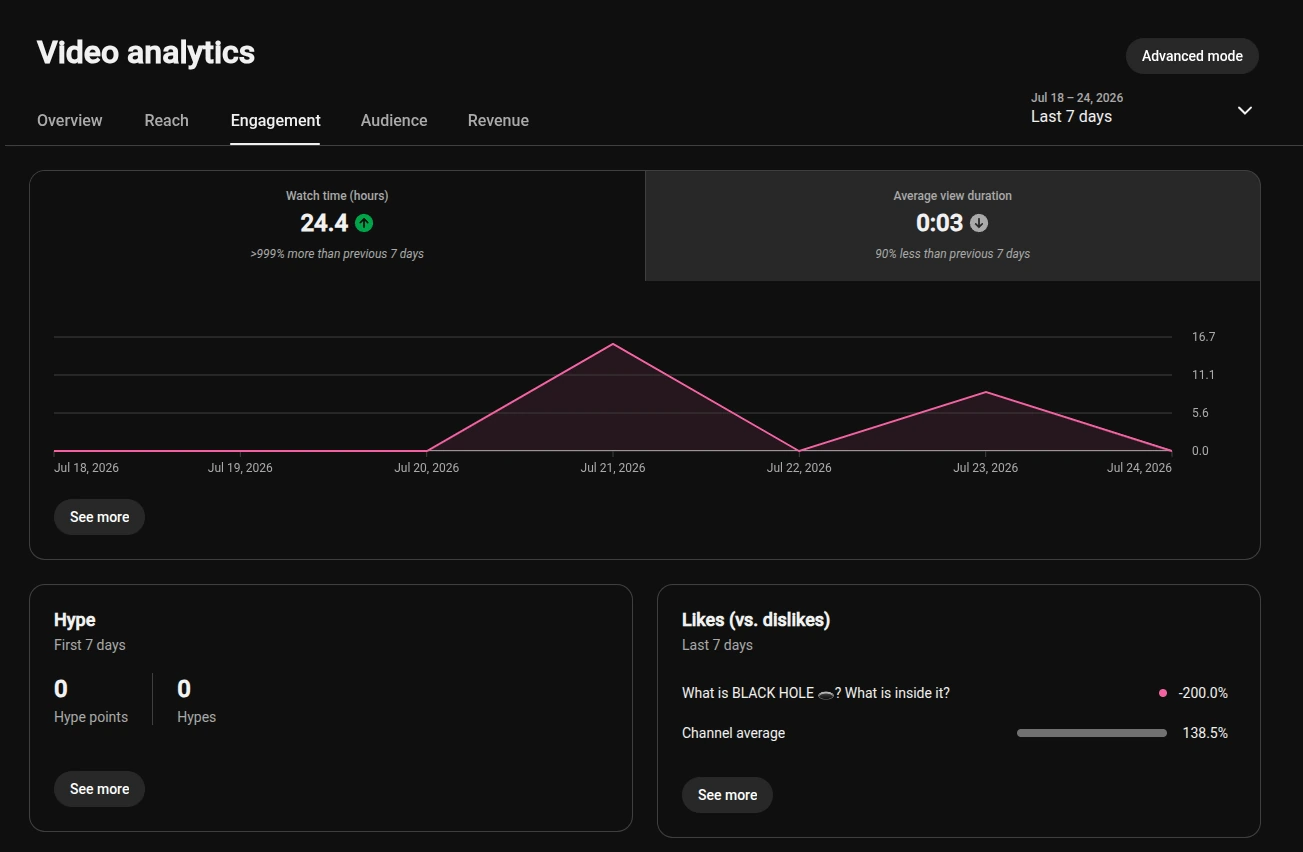
YouTube may not remove those views. But it knows something is off. The algorithm can’t understand who your audience is anymore, so it stops pushing your video (some call it a shadow ban). Your ranking goes down. You can tell your friends you got 500k views. But open the analytics and the retention is 2, 3 seconds.
That number is just makeup (the same makeup those farm accounts wear). Underneath it, your channel is getting killed.
There’s also a real risk the video gets removed, or the channel gets demonetized (YouTube cuts off the money). I’ve seen both.
And then it becomes a drug. Buy views, the numbers move. Stop buying, everything stops. You’re not growing a channel anymore. You’re feeding a habit.
So how do you check if the views you already bought were real?
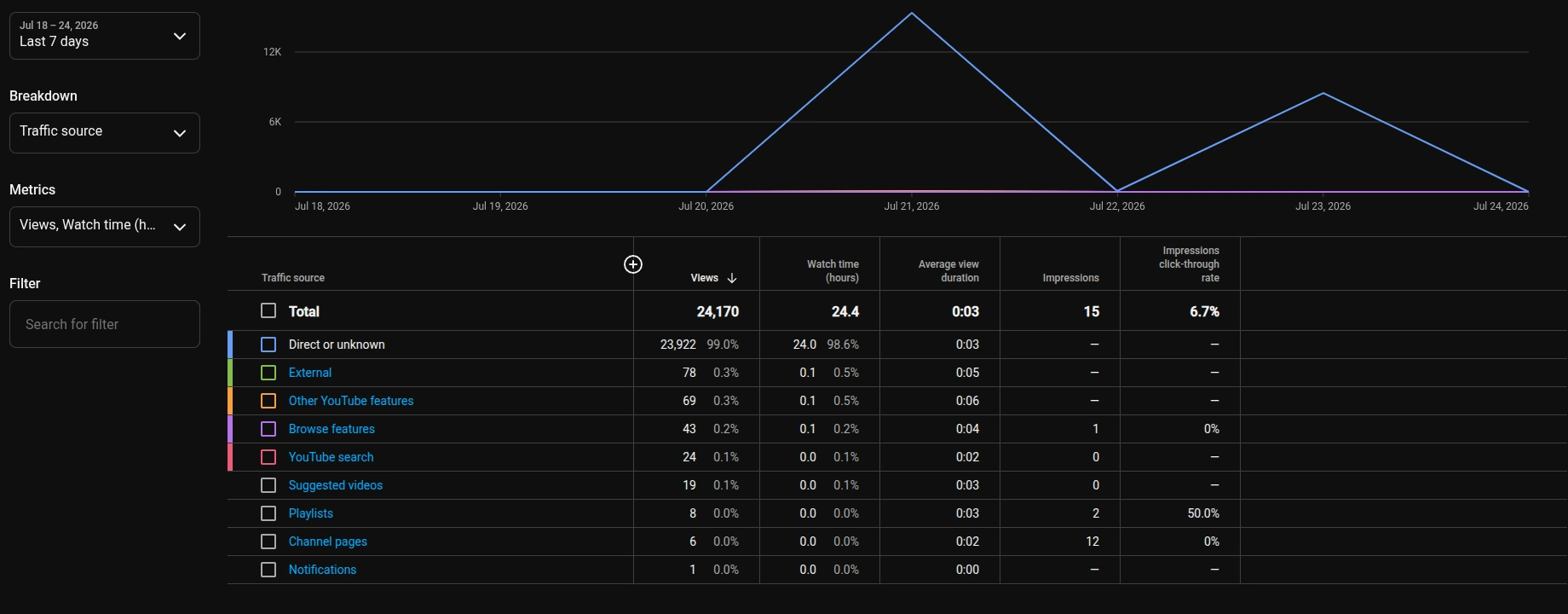
Do this right now. Open YouTube Analytics on any promoted video and look at the traffic source. Real ad campaigns show up as YouTube advertising. Panel views don’t. (There’s more to this. I’ll go deep on it in the next blog.)
My advice is simple. If you care about your money and your content, leave the panels out. Completely.
And if you already bought YouTube views from a panel before reading this, listen. You didn’t lose much. You paid for a lesson, and you just finished learning it. Now you know how this market really works, and that puts you in the 1% of buyers who do. You won’t get scammed again. You won’t fall in that trap again. That’s the main thing.
(Also, there’s a gift waiting for you at the end of this blog.)
Type 2: Video ads
Now the second market. The agencies, the brands, the media promotion companies. This world is far better than the panels, because they run real ads, mainly YouTube ads. You’ve seen them. The skip ads before a video, the ads in search, in the home feed, in suggestions. That’s the real system. Advertisers pay Google, Google pays the creators. All legit. (There’s also third-party ads, the banners and push ads on websites. Real too, but YouTube is the strongest source.)
I’ve personally worked with a lot of these agencies. The ads are real, no doubt. But real ads don’t automatically mean growth. I paid for that lesson with my own money. Let me tell you.
Back when I started this social media work, I had a video for my own website (the website that sold these very services, yes). I thought, I’ll run real YouTube ads on it, and clients will come flying in. So I handed about a $200 budget to one of my providers, and he ran the ads.
First as in-stream ads (the skippable ones). In one hour, 40k+ views landed. Not even one like. I’m sitting there expecting clients. Nothing. So we tried in-feed ads next (the ads you see in suggested videos), running worldwide. Around 50k views this time. 5 to 10 likes. Zero comments. And not one person reached out about a promotion.
I wasted my money and walked away thinking, these YouTube ads are useless. Just numbers. (I was wrong, but it took me years to see why. Hold that thought.)
So what did that campaign actually do with my money, and what will an agency do with yours? Back to your French cooking channel. You go to an agency and say what everyone says: “I want 100k views.” (Views is awareness, subscribers is conversion. But nobody talks like that. We just say the number we want.) So what does the agency do?
They open a campaign on the worldwide setting. Pick an ad format, usually those skip ads. Paste your link. Set the budget. Launch. That’s the whole “service.”
And here’s what happens next. The ads system does its job, and its job is spending your budget fast. With no targeting, your ad goes wherever ads are cheapest, in front of anyone. People who don’t cook, don’t speak French, and will never watch a second video. Your French cooking video, playing as a forced ad in front of the whole world.
You’ll get views, because skip ads get counted anyway. You may even get subscribers, but they subscribe and never come back. (How YouTube pulls subscribers from people who aren’t interested, I honestly don’t know.) Shallow numbers on your channel.
So yes, real traffic, real numbers. But the growth you actually came for, the people who stay and watch and buy, that’s not in there. And you paid real ad money for it. This is exactly why you see creators all over Reddit saying “YouTube promotion doesn’t work.” The promotion was real. It was just aimed at no one.
When I finally left the panel world, I thought I’d found the clean side of the market. Then I watched how these campaigns were actually run, and I remember thinking, what are these guys doing? They’re selling numbers again, just legal ones this time.
Type 3: Personalized targeted campaigns
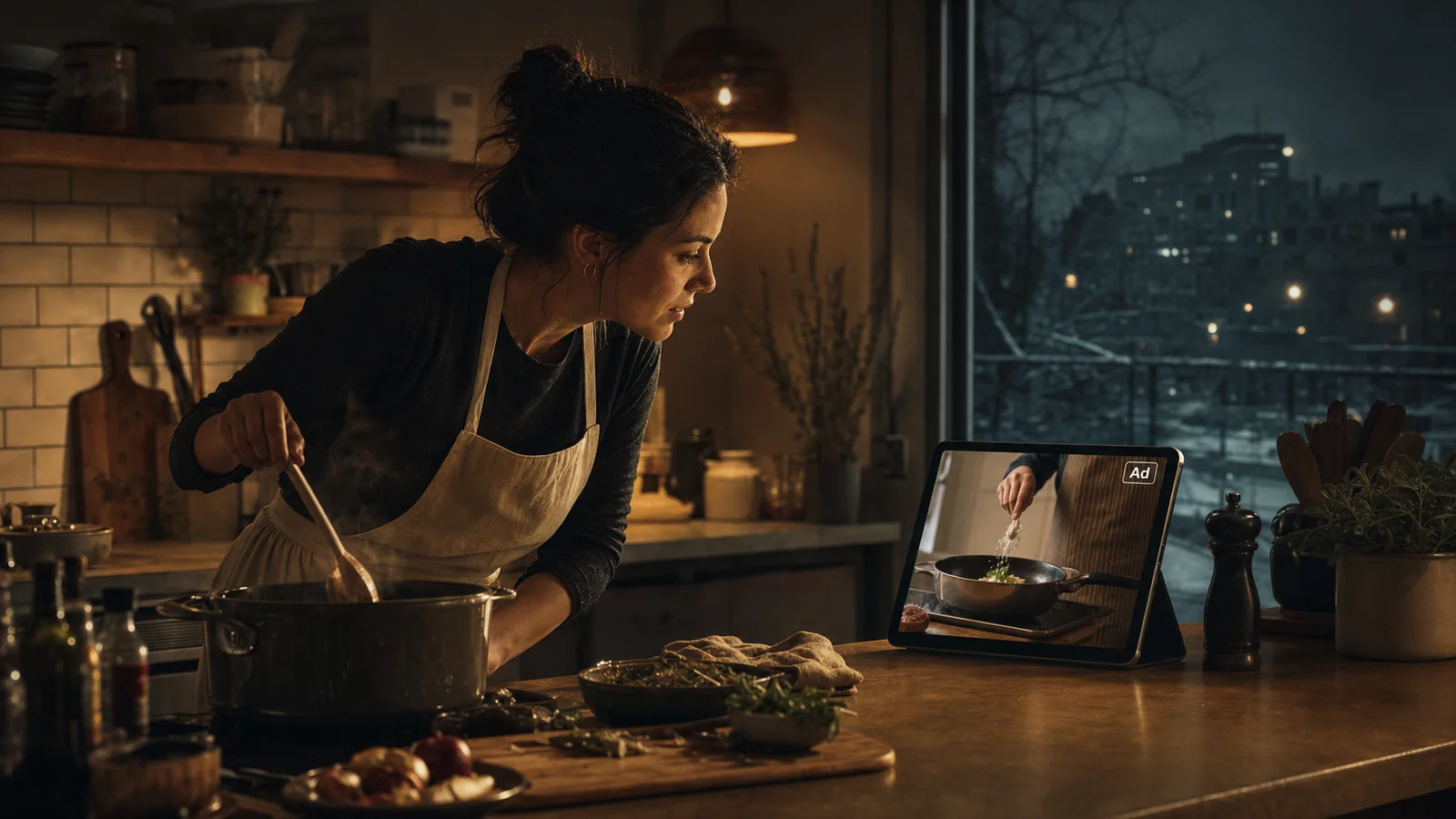
Almost 99% of this market doesn’t know this third type exists. Let’s break the name down, word by word.
Personalized means it’s built around your video. Not even your channel. Your video. And it gets shown to people who already watch or care about that exact kind of content. Think about your own behavior. If you love mobile phones and a phone ad comes up, you actually watch it. You might even go search for that phone after. Interest changes everything. Same video, same ad, completely different result, because the person watching already cares.
Targeted means we choose who that is, layer by layer. Back to the French cooking channel. Instead of worldwide, we target France and the other places where French speakers actually live. We set the language. We set the age range, say 18 to 45 for cooking content (maybe I’m off there, but you see the idea). We choose male, female, or both. And there are many more layers on top.
Campaign means it runs as real YouTube ads, the same real system from type 2. Real ads, real people. The only difference is the aim.
This is the only version of YouTube promotion where the traffic you get is the traffic you actually wanted.
One thing I have to say straight, because I’m not here to be a guru.
The ad multiplies your content. It doesn’t replace it.
If you want to grow, your videos have to carry real value, something the viewer really cares about, from someone who really knows the niche. Try the honest test. If this wasn’t your video, would you watch it? Would it teach you something, or at least entertain you? If yes, you’re ready. If no, fix that first, because no promotion on earth fixes an empty video. YouTube makes its money when people stay and watch. So when real viewers respond to your video, YouTube starts pushing it further itself.
But when you combine content that has value with ads aimed at exactly the people who want it, you stop waiting months or years for the algorithm to find your audience. You put the video in front of them directly. That’s when the magic happens.
The honest last part
Now let me be straight with you. I own a company that does exactly this third type. I opened it with one motive: after years of watching this market sell numbers, I wanted creators and brands to finally get the real thing. I’m not here to just earn money. I want to earn your happiness when your channel really grows. That’s what matters to me.
Here’s how it works. You give us your video link. That’s it. We analyze the video and build the full targeting plan. The keywords, the placements (where your ad shows), the countries, the ages. Then we run it as real YouTube ads. And our team watches your campaign in real time, refining it like cutting a diamond. It goes deep. Even people who love cooking videos may not connect with your way of cooking, and they leave. We remove that audience too, and keep only the people who really watch and engage. (Remember the worldwide budget burn? This is the exact opposite.)
You keep full authority the whole time. Start, pause, or stop your campaign whenever you want. You can even build campaigns yourself if you prefer your own hands on it.
And after everything you just read, why would you trust me? You don’t have to. Remember the gift I promised? Your first campaign is on us. A free $50 ad credit, plus a dedicated manager you can reach whenever a question comes up. And when you talk to your manager, drop the words “dark reality” so they know you read the whole story. Then run a campaign, open your YouTube Analytics, and check the traffic source yourself. Don’t trust me. Just try it and check it.
Register your account here and test your first campaign completely free.
Thank you for reading all of this. I hope I gave you some real value today. And if anything in here felt wrong to you, I’m really sorry. (That’s for you, the reader. Not for the sellers.)
One last thing. That experiment I mentioned at the start: in the next blog, I’m running a sting operation. I’ll buy from these panels myself, on my own channel, and show you exactly what arrives.
Mandeep, founder of The Immeasurable.
Comments